Pages

Showing posts with label nfpa 150. Show all posts

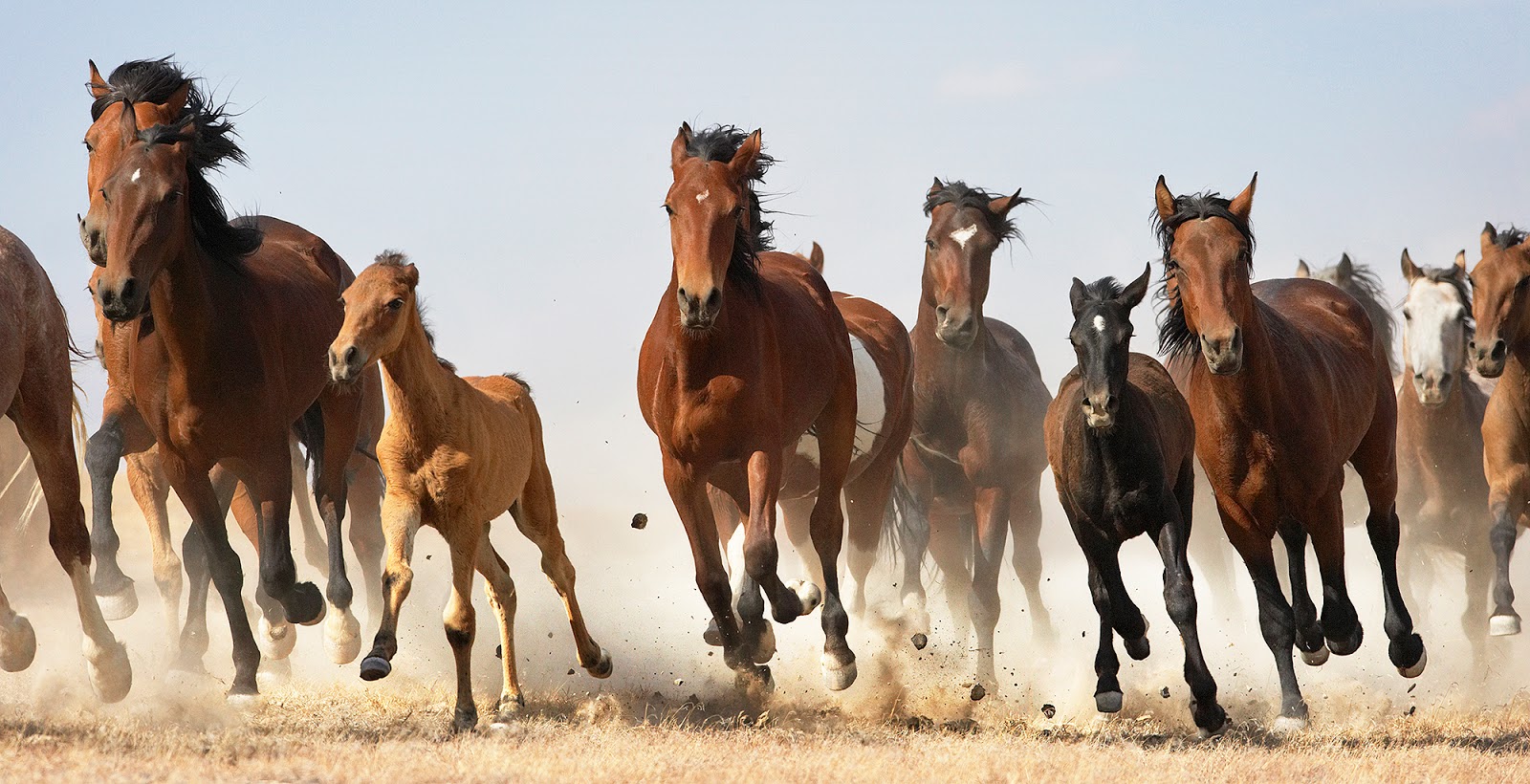
Horse Sense Fire Protection

In 2017 we saw more headlines related to horse fire deaths than ever before, here are a few:


What can we do to prevent future barn fire incidents and protect these animals?

NFPA 150, Standard on Fire and Life Safety in Animal Housing Facilities, classifies horse barns as a Class 1 facility, “an area of a building housing animals with no general public access”. Horses are categorized as a Category B animal, which includes “all agricultural animals”, with special requirements.

To fully protect the barn property and animal life, the following fire protection code requirements must be in place.

  • Fire Alarm System
    • Under 3,000 sq. ft. - alarm not required
    • 3,000 - 20,000 sq. ft. - local alarm only required
    • 20,000+ sq. ft. - monitored alarm required
  • Fire Extinguisher
    • Minimum 2A:10BC located within 50 ft. travel distance
  • Lightning Protection
    • Required to be installed in accordance with NFPA 780.
  • Fire Sprinkler System
    • Sprinklers required throughout
    • NFPA 13 system
  • Smoke Control System
    • Required, may be modified by AHJ
    • NFPA 92
  • Operating Features
    • Disaster/emergency management plan required
    • Drills (on the disaster/emergency plan) to be conducted annually
    • Training on use of fire extinguishers

For more information on barn fire prevention and safety visit these sites:

How to House a Tyrannosaurus Rex


So, Masrani Global, just awarded you the contract to build the world’s greatest theme park, Jurassic World? Aside from knowing the codes for, helipads, sea ports, a state-of-the-art control center, and a massive water tank - the main question you should be asking yourself is, “how do you house a Tyrannosaurus Rex?”


NFPA 150, Standard on Fire and Life Safety in Animal Housing Facilities provides a five step process for providing a safe environment for both, animals, and the humans that will be visiting them.


Step 1 - Determine the facility class. The first step to applying the code is to determine the facility class. The parks’ draw is the ability for guests to see and experience the prehistoric creatures, so regular public access and interaction with the animal is necessary.  Class 3 facilities are those that house animals with regular general public access.


Step 2 - Determine the animal category. All animals are classified as, either, Category A or Category B. The Tyrannosaurus rex is the largest, existing, meat-eating animal. This creature would “pose a potential risk to the health or safety of rescuers or the general public”, and would be “impossible or impractical to move.”  This classifies the T. rex as a Category A animal.


Step 3 - Determine the enclosure requirements. NFPA 150 requires that enclosures allow enough space for the “animal to express all species-typical postures, social adjustment, behaviors, and movements.”  Furthermore, the animal “shall be able to lie down with limbs extended”, without any obstructions from the enclosure itself. T. rex is 40’ long and 20’ tall.

NFPA 150 does not currently list the T. rex requirements in its minimum areas table in the Annex section of 7.3 (perhaps in the next revision).  However, the tallest animal that is listed, by comparison, is the giraffe.  The minimum enclosure requirements for a giraffe is 225 sq. ft. with 20’ high walls.  The bull elephant is about the equal weight of the T. rex- 15,000 lbs. For the bull elephant, NFPA 150, recommends a horizontal design force of 10,000 lbs., to a height of 8’ (for the giraffe).


Step 4 - Determine the egress requirements. The minimum width of egress openings is required to be “one-and-one-half times the largest average width” of the largest animal using the door.  A fully grown T. rex can be 8-10’ wide, so your minimum egress width will need to be approximately 15’.


Step 5 - Determine the fire protection/special hazard requirements. All facilities housing Category A animals are required to have a fire sprinklers throughout and a smoke control system installed.  A full fire alarm system is required in all Class 3 areas, and fire extinguishers with a rating of at least 2A:10BC is required to be within 50’ of travel.

No matter the animal size, Brachiosaurus to Compsognathus, by following these 5 steps you can protect these creatures from extinction, and ensure that they are with us, far into the future.

provided by, Zoon Solutions

Protecting Your Pets - Understanding NFPA 150


NFPA 150, Standard on Fire and Life Safety in Animal Housing Facilities, clearly defines what must be in place to ensure the safety of you, your animals, and your facility (vet clinics, boarding houses, zoos, etc.).  The goals of this standard are four-fold:
  1. To provide an environment for human occupants inside an animal housing facility that is reasonably safe from fire and similar emergencies.
  2. To provide an environment for animal occupants inside or adjacent to a structure that is reasonably safe from fire and similar emergencies.
  3. To provide reasonable safety for fire fighters and emergency responders during search and rescue operations for animal and human occupants.
  4. To attempt to minimize loss of property and interruption of facility operations from fire and similar emergencies. (NFPA 150:4.1.3.1.1)
To begin to determine what the necessary requirements for your facility are NFPA 150 leads you to chapter 6, where your facility must be appropriately classified and categorized.  This is based on access of the general public, and types of animals potentially on-site.

Class

Class 1 - building housing animals with no general public access (private kennels, processing plants, barns, veterinary clinics)
Class 2 - building housing animals with restricted public access (areas of limited and infrequent public access)
Class 3 - building housing animals with regular public access (zoos, show grounds, pet stores, etc.)

Category

Category A - animals that pose a potential risk to rescuers or the general public, animals that cannot be moved without risk to the health and welfare of the animal or other animals, animals that are impossible or impractical to move, animals that are not mobile or in a mobile enclosure
This would include any animals that are ferrel, diseas carriers, or poisonous, under anesthesia, injured or ill, too large to move, or too large to move without additional staffing, and animals that cannot be led by collars or within rolling cages.
Category B - any animals that do not fall into Category A

Once you have determined the class and category of the facility you can then determine occupant loads, egress requirements, and what fire protection systems will be needed.

The chart below shows industry standard enclosure size requirements (this can be utilized to determine occupant load and egress factors):


NFPA 150 breaks up the protection requirements by class. However, there are several elements that are common to all classes:
  • fire extinguishers required
  • fire alarm system required if over 3,000 sq.ft. (or in any size Class 3 facility)
  • fire sprinkler system required in any facility handling Category A animals
There are sections in NFPA 150 dealing with special hazards, emergency planning, and staff training.  All egress components, human occupant load, and building services generally comply with NFPA 101 guidelines.

For more information onf NFPA 150, read this article from the National Fire Protection Association.