
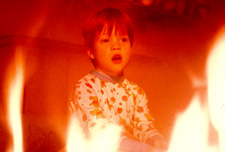
Is juvenile arson a problem?
- Fire setting is the largest cause of home deaths among children.
- Almost 34% of victims of child-set fires are the children themselves.
- 55% of all U.S. arson arrests are children under 18 years of age.
- Fires set by children account for more than 250,000 fires per year.
- The average cost of a juvenile-set structure fire exceedes $20,000.
- Intentional fires ranked first among the major causes of structure fire dollar loss.
1. Curiosity/Eperimental
- children ages 2-10
- lack understanding of the destructive potential of fire
- ready access to lighters, matches, or open flame devices
- unsupervised
2. Troubled/Crisis
- mostly boys of all ages
- have set 2 or more fires
- use fire to express emotions
- may not understand consequences of uncontrolled fire
- will continue to set fire until needs are met or identified
- known as "cry for help" firesetters
3. Delinquent/Criminal
- teens with a history of firesetting, gangs, truancy, drug/alcohol abuse
- fires set with intent to destroy
- typically targets schools, open fields, dumpsters or abandoned structures
- leads to restitution and criminal punishment
4. Pathological/Emotionally Disturbed
- involves a psychiatric diagnoses
- fires may be random, ritualized, or with specific intent
- chronic history of school, behavioral, and social problems
- males/females of all ages
- has set multiple fires
Intervention strategies:
- General fire/life safety education.
- Specific youthfiresetting education.
- Character developement.
- Life skills training.
- Social services counseling.
- Mental health therapy.
- Juvenile justice.
- Be there for the child. Frequently older children and teens find it difficult to express their inner feelings to their parents. Because teachers are a positive adult role model, students may feel more comfortable sharing their troubles with your. Listen to your students’ verbal and nonverbal communications. Respond with a sincere respect for what they are sharing with you.
- Open lines of communication. Reassure your students that you want to hear about the feelings and events that have triggered the firesetting behavior. Listen in a positive and nonjudgmental manner. Your students need to understand that your goal is to stop the behavior because of your concern for their safety, and that you want to do that in a proactive and positive way.
- Create positive outlets. Firesetting is a behavior that expresses a student’s stress, anger and negative emotions. By providing opportunities to vent these emotions through positive avenues, you can diffuse some of those dangerous feelings. There are many options available to students, including: sports, mentors, and group counseling.
- Seek qualified help for your student. Crisis firesetting is a complex emotional issue. It is important that students are provided with the help of a qualified mental health professional who is experienced in dealing with juvenile firesetting cases. Traditional therapy, which simply explores “feelings,” is not appropriate in firesetting cases. A good place to start is your local fire department.


