Pages

Reading Meyer Fire? You Must!


If you're not already reading Meyer Fire (www.meyerfire.com), you need to start immediately!  Meyer Fire is the independent resource for fire protection professionals.  Meyer Fire creates resources for the Fire Protection P.E. exam.  The Meyer Fire site produces a weekly blog post and a daily fire protection question. Additionally, the site offers tools and resources including calculators, articles, and a job board.

Here are 10 must-read posts to get you started:


  1. Advantages of Return Bends in Fire Sprinkler Systems
  2. Slope Requirements for Fire Sprinkler Pipe
  3. Breakout of a Floor Control Riser Assembly
  4. Sprinkler Ceiling Obstructions
  5. Solving Noise from Dry-System Compressors
  6. Components of a Fire Sprinkler
  7. Sprinkler Design for Elevators
  8. New Occupant Load Factors Coming to NFPA 101
  9. Details and Requirements of the Inspector's Test
  10. The Other (Easy) Way to Space a Smoke Detector


An awesome "added value" feature of these posts is the hand drawn (by Joseph Meyer) fire protection system components (such as the one below)!


Making CRR Work for Your Department

"Firefighter" by Justin Hoffman

Since, 1830 when James Braidwood penned one of the earliest guides “on the causes of fires, and the means of preventing them”, fire departments have been practicing some form of community risk reduction. With the modern standards of NFPA 1730, NFPA 1452, and NFPA 1300, fire prevention organizations now have a reference tool and clear guidance on how to best conduct community risk reduction activities prevent fire, preserve life, and protect their communities.

Over the last few months, several posts have been published as a resource for CRR activities:

Presented below, as a sort-of  end cap to this series of posts, are some general tips and items to be considered before leaving the firehouse and engaging in CRR activities.

  • Dress professionally in a uniform that clearly identifies you with your department
  • Ensure a full supply of resources and handouts are available
  • Work only in teams, of at least two people.
  • Remember the primary goal of the CRR “mission” is to eliminate hazards to life and property. Be able to clearly articulate this to your community.

Florida Fire Prevention Code, 6th Edition


January 1, 2018 marked the effective date of the 6th edition of the Florida Fire Prevention Code. The Florida Fire Prevention Code is composed of the 2015 editions of NFPA 1, Fire Code and NFPA 101, Life Safety Code, with Florida specific amendments.

These Florida state specific amendments, local amendments, informal interpretations, past editions, and future notices can be accessed from the Florida Fire Prevention Code page, from the Division of State Fire Marshal. 

The full list of adopted codes, standards, and referenced documents and editions are listed in FAC 69A-60.005.

Douglas True, Fire Prevention at Dade City, has built an amazing set of plan review spreadsheets based on this latest edition of the FFPC. These sheets include plans review checklists and calculations.  This document can be downloaded here, http://bit.ly/FFPC_plansreview.

Florida Fire Prevention Code, 6th Edition can be purchased from BNi Building News.


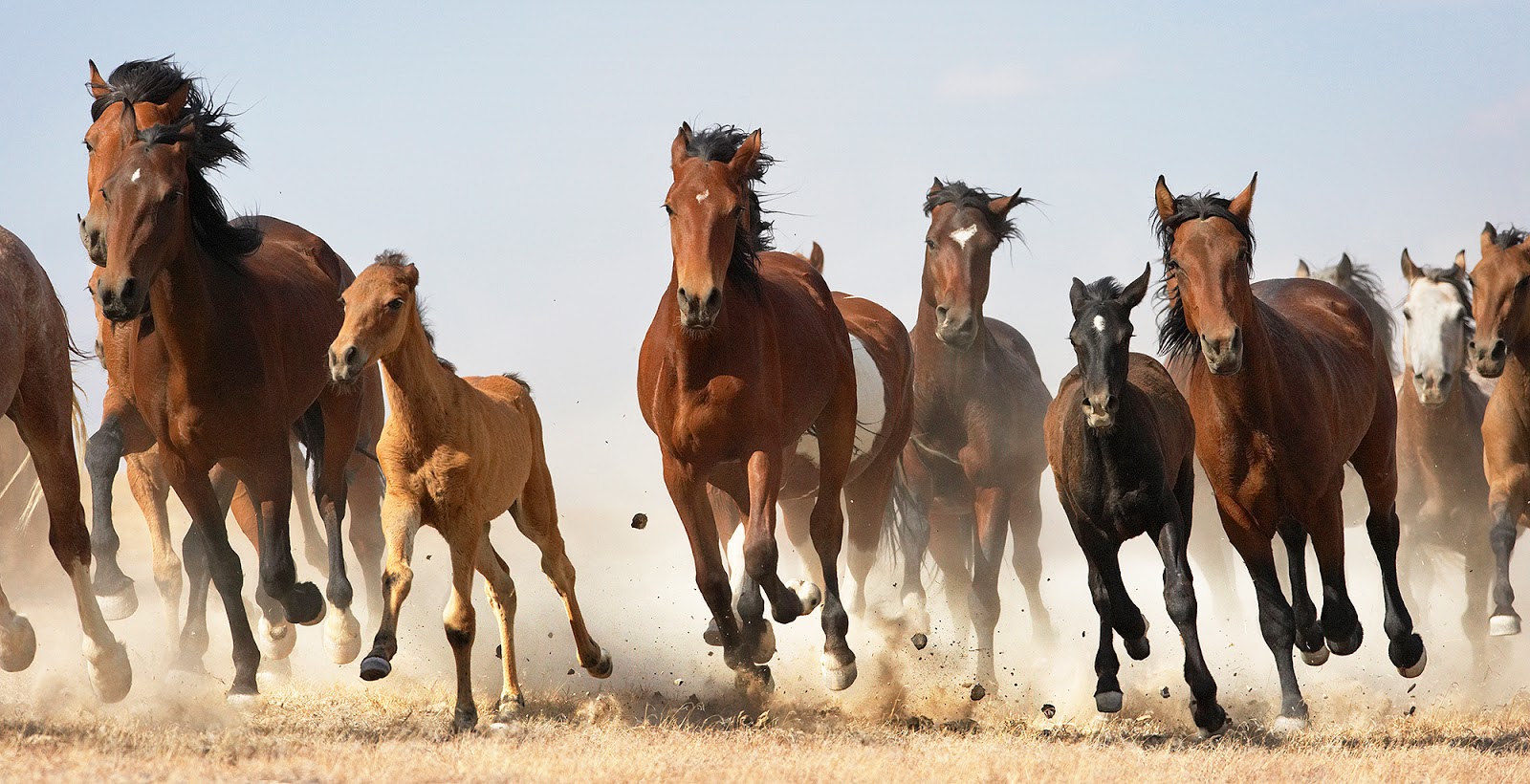
Horse Sense Fire Protection

In 2017 we saw more headlines related to horse fire deaths than ever before, here are a few:


What can we do to prevent future barn fire incidents and protect these animals?

NFPA 150, Standard on Fire and Life Safety in Animal Housing Facilities, classifies horse barns as a Class 1 facility, “an area of a building housing animals with no general public access”. Horses are categorized as a Category B animal, which includes “all agricultural animals”, with special requirements.

To fully protect the barn property and animal life, the following fire protection code requirements must be in place.

  • Fire Alarm System
    • Under 3,000 sq. ft. - alarm not required
    • 3,000 - 20,000 sq. ft. - local alarm only required
    • 20,000+ sq. ft. - monitored alarm required
  • Fire Extinguisher
    • Minimum 2A:10BC located within 50 ft. travel distance
  • Lightning Protection
    • Required to be installed in accordance with NFPA 780.
  • Fire Sprinkler System
    • Sprinklers required throughout
    • NFPA 13 system
  • Smoke Control System
    • Required, may be modified by AHJ
    • NFPA 92
  • Operating Features
    • Disaster/emergency management plan required
    • Drills (on the disaster/emergency plan) to be conducted annually
    • Training on use of fire extinguishers

For more information on barn fire prevention and safety visit these sites: